Airfix Model Kits Review: A Timeless British Modelling Experience
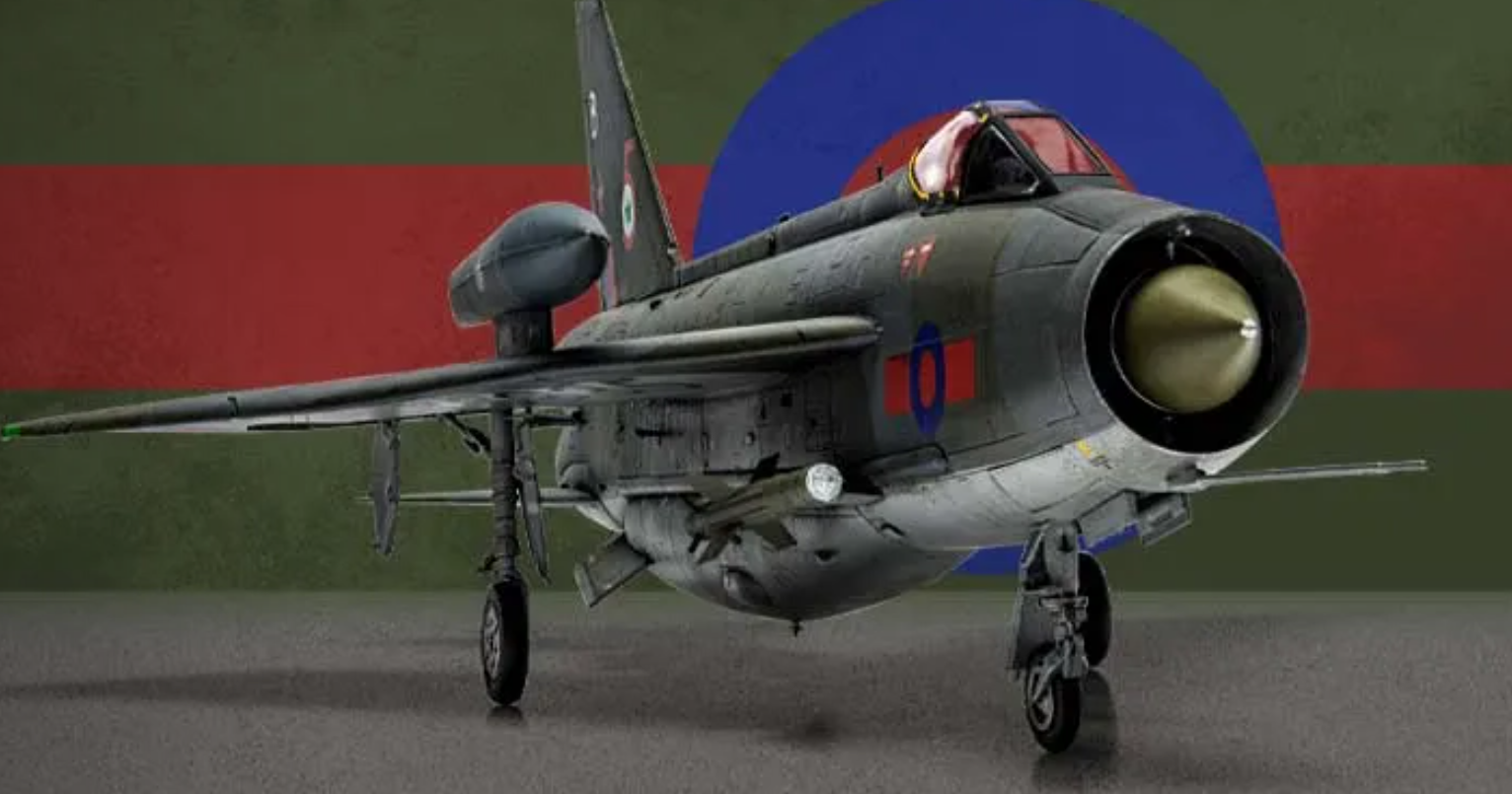
For generations of British hobbyists, Airfix has been more than just a brand. It has been a doorway into history, creativity, patience, and pride. From childhood afternoons building a first Spitfire to adult evenings carefully painting a detailed naval ship, Airfix model kits have long held a special place in the UK modelling community. This review takes a deep look at what makes Airfix so enduring, how its kits perform today, and whether they still deserve a spot on the workbench of modern British modellers.
Airfix is often associated with nostalgia, but nostalgia alone does not keep a brand relevant. What truly matters is how well the kits are designed, how enjoyable the building process is, and whether the final result feels rewarding. With that in mind, this review explores Airfix from the perspective of quality, variety, accuracy, accessibility, and value for money.
One of the first things that stands out about Airfix is its unmistakably British identity. Many of its most popular kits are deeply rooted in UK aviation, military, and maritime history. Iconic aircraft such as the Spitfire, Hurricane, Lancaster, and Vulcan bomber are central to the range. These are not just plastic kits; they are physical representations of stories that many people in Britain grew up hearing about. For history enthusiasts, this emotional connection adds a layer of meaning to the build that goes beyond simple hobby enjoyment.
That said, Airfix is not limited to British subjects. Over the years, the range has expanded to include international aircraft, tanks, ships, and even some science fiction subjects. This makes the brand appealing not only to patriotic builders but also to modellers who enjoy variety and global themes.
When it comes to kit quality, Airfix has made noticeable improvements compared to its older releases. Modern toolings feature sharper moulding, better surface detail, and more accurate proportions. Panel lines are generally well defined, and newer kits often include fine details that previously required aftermarket parts. While older kits can still show their age with softer detail or fit challenges, many modellers actually enjoy these as part of the traditional Airfix experience.
Fit and assembly are important considerations, especially for beginners. Airfix kits are known for being approachable. Parts are logically laid out, instructions are clear, and most kits can be assembled without frustration. This makes Airfix particularly suitable for newcomers to the hobby, younger builders, or anyone returning to modelling after a long break. At the same time, more advanced kits in the range offer enough complexity to keep experienced builders engaged.
Instructions deserve special mention. Airfix instruction booklets are typically easy to follow, with clear diagrams and step-by-step guidance. Paint callouts are provided throughout, which is helpful for builders who want an accurate finish without extensive research. For UK builders, the use of familiar terminology and historical references makes the instructions feel intuitive and accessible.
Another strength of Airfix is scale selection. Popular scales such as 1:72 and 1:48 for aircraft are widely available, allowing builders to choose between compact displays or more detailed centrepiece models. For armour and naval kits, the scales are equally well considered, balancing detail with practicality. This flexibility is one of the reasons Airfix appeals to such a broad audience.
Painting and finishing an Airfix model is where creativity really comes into play. The surface detail on most kits takes paint well, whether using brushes or airbrushes. Camouflage patterns on RAF aircraft, naval greys on warships, and weathering effects on tanks can all be achieved convincingly with patience and care. Many builders find Airfix kits ideal for learning new techniques, as mistakes are usually easy to correct.
Value for money is another key factor for UK consumers, and this is an area where Airfix consistently performs well. Compared to many premium international brands, Airfix kits are often more affordable while still delivering a satisfying build. This makes it easier for modellers to try new subjects, build multiple kits, or involve younger family members without worrying about high costs.

From a collecting perspective, Airfix holds strong appeal. Limited editions, historical themes, and re-releases of classic kits give collectors plenty to enjoy. Some builders prefer to keep older box designs as display items, while others enjoy building vintage kits as a tribute to the past. This dual appeal, as both buildable models and collectible items, adds to the brand’s longevity.
Community plays a big role in the Airfix experience. In the UK, Airfix is frequently discussed in modelling clubs, online forums, and exhibitions. Many builders share progress photos, painting tips, and personal stories connected to specific kits. This sense of shared heritage helps keep the brand relevant and respected within the hobby.
Of course, no brand is without its weaknesses. Some older Airfix kits can require filler, sanding, and patience to achieve a clean finish. Decals in older boxings may not be as refined as those found in newer releases. However, many modellers see these challenges as part of the hobby rather than drawbacks. For those who enjoy hands-on problem solving, these aspects can actually enhance satisfaction.
Airfix also benefits from being widely recognised in the UK. For gift buyers, it is a trusted name that feels safe and familiar. Whether buying for a child, a history fan, or a seasoned modeller, Airfix is often seen as a reliable choice. This broad recognition helps introduce new people to the hobby and keeps the modelling community growing.
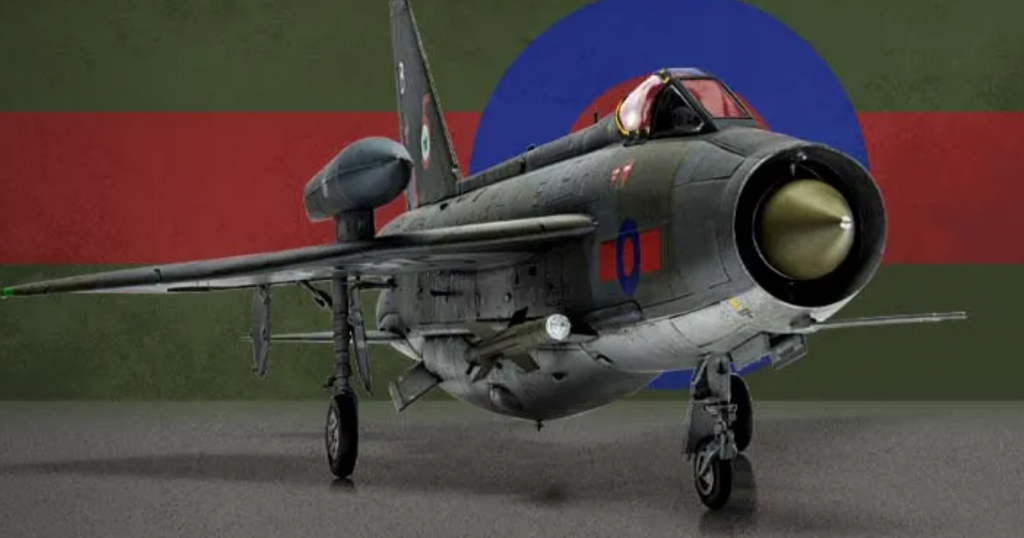
In terms of long-term enjoyment, Airfix kits often leave builders with a sense of achievement. Completing a detailed aircraft or ship, applying decals carefully, and placing the finished model on a shelf can be genuinely rewarding. Many builders find themselves returning to Airfix again and again, not out of habit, but because the experience remains enjoyable.
Overall, Airfix continues to represent a uniquely British approach to scale modelling. It balances tradition with modern improvements, accessibility with depth, and affordability with authenticity. For UK hobbyists who value history, creativity, and hands-on craftsmanship, Airfix remains a brand worth exploring.
Whether you are building your very first model or adding another piece to a long-standing collection, Airfix offers something that few brands can match: a sense of connection to Britain’s past combined with the simple pleasure of making something with your own hands.
Questions and Answers
Q: Is Airfix suitable for beginners?
A: Yes, Airfix kits are widely considered beginner-friendly. Clear instructions, sensible part breakdowns, and affordable pricing make them an excellent starting point for new modellers.
Q: Are Airfix models accurate?
A: Modern Airfix kits are generally well researched and accurate in shape and detail. Older kits may show some simplifications, but many builders still find them enjoyable and historically meaningful.
Q: Do Airfix kits require advanced tools?
A: Basic modelling tools such as cutters, glue, and paint are usually sufficient. More advanced tools can enhance the finish, but they are not strictly necessary for most kits.
Q: Are Airfix kits good value for money?
A: Yes, especially for UK buyers. Airfix offers a strong balance of quality, subject choice, and price, making it accessible without feeling cheap.
Q: Why do so many British modellers prefer Airfix?
A: The combination of British heritage, familiar historical subjects, and approachable design makes Airfix particularly appealing to UK hobbyists.











Post Comment