Finding Everyday Comfort in Modern Eyewear: Why Minimalist Glasses Are Becoming a Lifestyle Essential
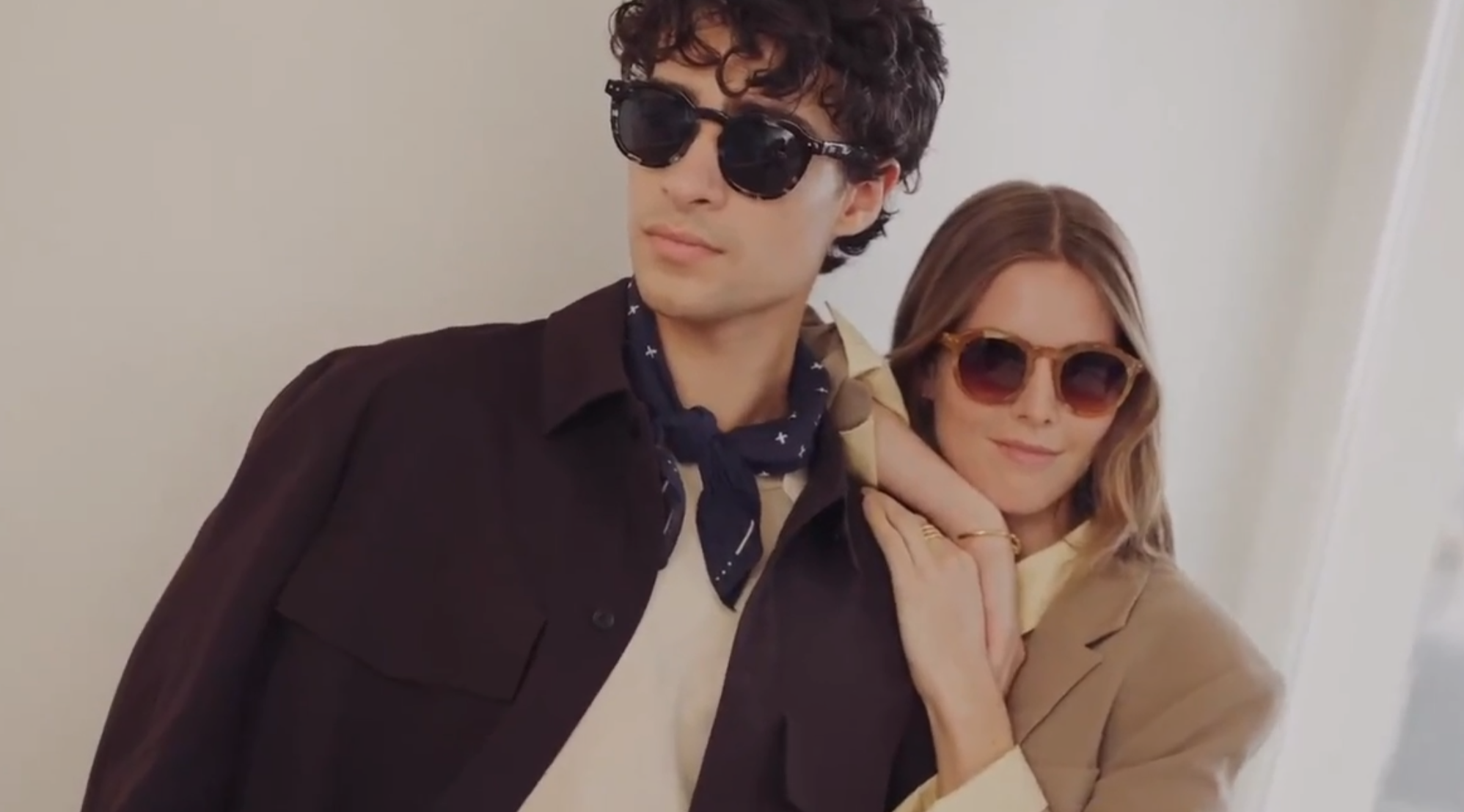
Comfort has become one of the biggest priorities in modern fashion. People no longer want accessories that look good for only a few hours before becoming uncomfortable or impractical. Today’s consumers are searching for products that fit naturally into everyday life. In Germany especially, shoppers increasingly value minimalist design, long-lasting quality, and wearable comfort over flashy trends.
Eyewear has quietly become one of the most important categories in this movement toward practical style. Whether working from home, commuting through the city, relaxing at a café, or spending weekends outdoors, glasses are no longer simply functional tools. They are part of personal identity, daily comfort, and even emotional well-being.
Many modern eyewear brands focus on balancing lightweight construction, stylish simplicity, and all-day usability. Among younger professionals, students, travelers, and design-conscious consumers, comfortable eyewear is becoming less about luxury and more about creating a better everyday experience.
Why Comfortable Eyewear Matters More Than Ever
Most people wear glasses for hours every day. Even sunglasses are no longer occasional accessories reserved for summer vacations. They are part of daily routines during commutes, outdoor walks, driving, and weekend activities.
This change means people now expect much more from their eyewear. Heavy frames, tight nose bridges, or overly rigid designs quickly become frustrating. Consumers want glasses that feel almost invisible during wear.
Comfort in eyewear usually comes down to several factors:
• Lightweight frame materials
• Flexible arms that reduce pressure
• Balanced weight distribution
• Soft-touch finishes
• Universal fit designs
• Easy styling for different outfits
When these elements work together, glasses stop feeling like an accessory and start feeling natural.
German consumers are particularly selective about this balance. Functionality matters just as much as appearance. Products that combine Scandinavian-inspired simplicity with practical durability often perform especially well because they align with modern European lifestyle preferences.
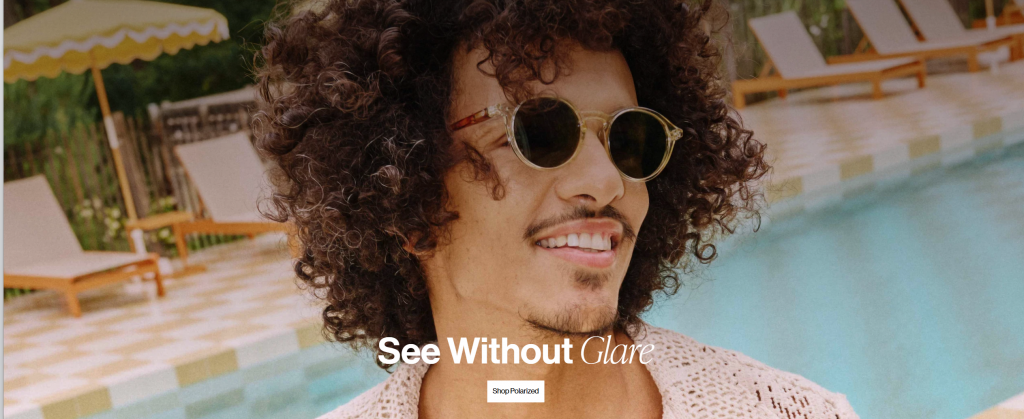
The Rise of Minimalist French-Inspired Design
In recent years, minimalist French-inspired eyewear aesthetics have become extremely popular across Europe. The appeal comes from their ability to look sophisticated without appearing overly formal.
Instead of aggressive branding or complicated detailing, the focus is usually placed on:
• Clean frame silhouettes
• Soft neutral colors
• Rounded edges
• Lightweight construction
• Versatile styling
• Timeless appeal
This type of design works especially well because it transitions easily between environments. A pair of glasses should feel equally appropriate in an office, on a train ride, at a coffee shop, or during a weekend getaway.
Many consumers now prefer owning fewer accessories overall, choosing instead to invest in versatile pieces that work everywhere. Comfortable eyewear fits perfectly into this mindset.
How Lightweight Glasses Improve Daily Life
The difference between heavy and lightweight eyewear becomes obvious after several hours of wear.
Reduced Facial Pressure
Lighter glasses place less strain on pressure points around the nose and ears. This is especially important for people who wear glasses throughout the workday.
Better for Long Screen Sessions
Digital lifestyles mean many people spend hours looking at screens. Comfortable eyewear reduces physical fatigue during these extended periods.
More Natural Movement
Heavy glasses often shift while walking or moving. Lightweight designs feel more stable and less distracting.
Improved Travel Comfort
Travelers increasingly prefer accessories that are easy to pack, durable, and versatile. Lightweight eyewear is ideal for city trips, outdoor adventures, and long flights.
Less Visual Distraction
When frames fit properly and feel comfortable, wearers become less conscious of them throughout the day. This creates a more relaxed experience overall.
Comfort and Style No Longer Compete
One of the biggest changes in modern fashion is that consumers no longer believe comfort requires sacrificing aesthetics. This shift can be seen across clothing, footwear, furniture, and accessories. Eyewear follows the same trend.
Previously, highly fashionable glasses sometimes prioritized dramatic shapes over wearability. Today, consumers expect both.
The most successful modern eyewear styles often share several characteristics:
• Simple but recognizable silhouettes
• Neutral tones that match many outfits
• Durable materials
• Soft textures
• Unisex appeal
• Lightweight feel
This combination creates products that integrate smoothly into daily routines rather than dominating them.
Many people now prefer understated elegance over loud branding. Quiet confidence feels more modern and wearable.
Why Versatility Is Essential for Modern Consumers
Modern lifestyles move quickly between different environments. Someone may work remotely in the morning, meet friends in the afternoon, and attend an evening event later the same day. Accessories must adapt accordingly.
Versatile eyewear has become increasingly valuable because consumers want fewer but better items in their wardrobes. A comfortable pair of glasses that works across multiple settings offers more value than several highly specialized options.
Versatile eyewear usually features:
• Timeless frame shapes
• Soft color palettes
• Lightweight construction
• Easy compatibility with casual and professional outfits
• Gender-neutral styling
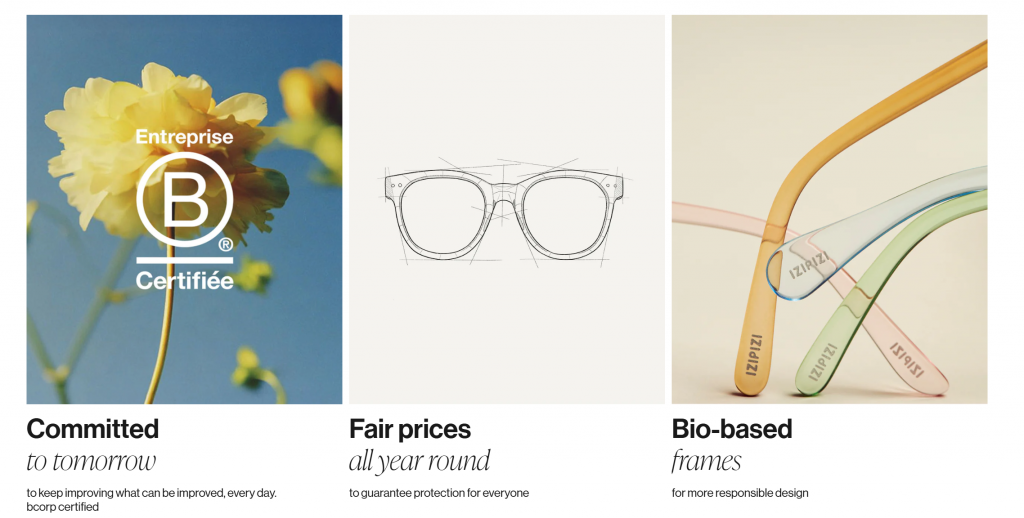
This approach also aligns with more sustainable shopping habits. Consumers increasingly prefer durable products designed for long-term use rather than fast-fashion accessories with short lifespans.

The Connection Between Comfort and Confidence
Comfort affects more than physical experience. It also influences confidence.
When glasses constantly require adjustment or cause discomfort, people become more self-conscious. On the other hand, comfortable eyewear allows wearers to focus on conversations, work, travel, and daily experiences without distraction.
This subtle psychological effect explains why many consumers become extremely loyal once they find eyewear that truly fits their lifestyle.
Confidence often comes from simplicity. Products that feel effortless tend to become everyday favorites because they remove friction from routines.
Eyewear for Different Lifestyles
Comfortable eyewear appeals to a wide range of people because modern life includes many different situations where practical accessories matter.
Urban Professionals – People working in offices or hybrid environments often prefer glasses that look polished without appearing overly formal. Lightweight frames also improve comfort during long computer sessions.
Students – Students typically need versatile eyewear suitable for classes, studying, commuting, and social activities. Durability and affordability also matter.
Travel Enthusiasts – Travelers appreciate compact, lightweight accessories that adapt easily between destinations and weather conditions.
Creative Professionals – Minimalist eyewear has become particularly popular among designers, photographers, writers, and creative workers because it complements understated personal style.
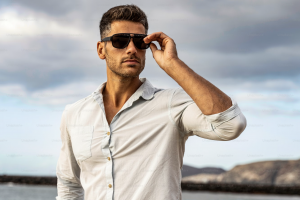
Outdoor Lifestyle Consumers – Comfortable sunglasses are essential for walking, cycling, driving, and everyday outdoor activities.
Unisex Design and Timeless Appeal
One major trend shaping modern eyewear is the rise of unisex aesthetics. Instead of heavily gendered styles, many consumers now prefer universally flattering designs that focus on shape, fit, and comfort rather than marketing labels.
Rounded frames, soft geometric silhouettes, and neutral color tones work well across different face shapes and personal styles. This broader appeal helps simplify shopping while creating more timeless collections.
Comfort and Sustainability
Sustainability increasingly influences purchasing decisions across Europe. Many consumers now think carefully about durability, responsible manufacturing, and long-term value.
Comfortable products naturally support more sustainable consumption because people keep and use them longer. Instead of purchasing trendy accessories that quickly become uncomfortable or outdated, consumers are increasingly choosing timeless designs that remain useful for years.
How to Choose Comfortable Eyewear
When selecting glasses for everyday use, several practical considerations can help improve long-term satisfaction:
• Prioritize Weight – Lighter frames usually provide better all-day comfort.
• Choose Versatile Shapes – Timeless frame styles are easier to wear across different occasions.
• Consider Nose Fit – Proper nose support dramatically improves wearability.
• Look for Flexible Temples – Flexibility reduces pressure around the head and ears.
• Think About Lifestyle – People who travel frequently or work long hours may benefit most from minimalist lightweight designs.
• Avoid Overly Trend-Driven Styles – Classic designs usually remain wearable much longer.
Frequently Asked Questions
Are lightweight glasses better for everyday wear?
Yes. Lightweight glasses reduce pressure around the nose and ears, making them more comfortable for long periods of daily use.
What frame styles are most versatile?
Minimalist round, square, and softly geometric frames usually work best across casual and professional settings.
Why are neutral colors so popular in eyewear?
Neutral colors match more outfits and create a timeless appearance that remains stylish longer.
Can comfortable glasses still look fashionable?
Absolutely. Modern eyewear trends increasingly combine comfort with clean, stylish design.
What makes minimalist eyewear appealing?
Minimalist eyewear feels timeless, versatile, and easy to wear in different environments without appearing overly trendy.





Post Comment