Finding Everyday Comfort: A Practical Guide to Clothing That Truly Supports You
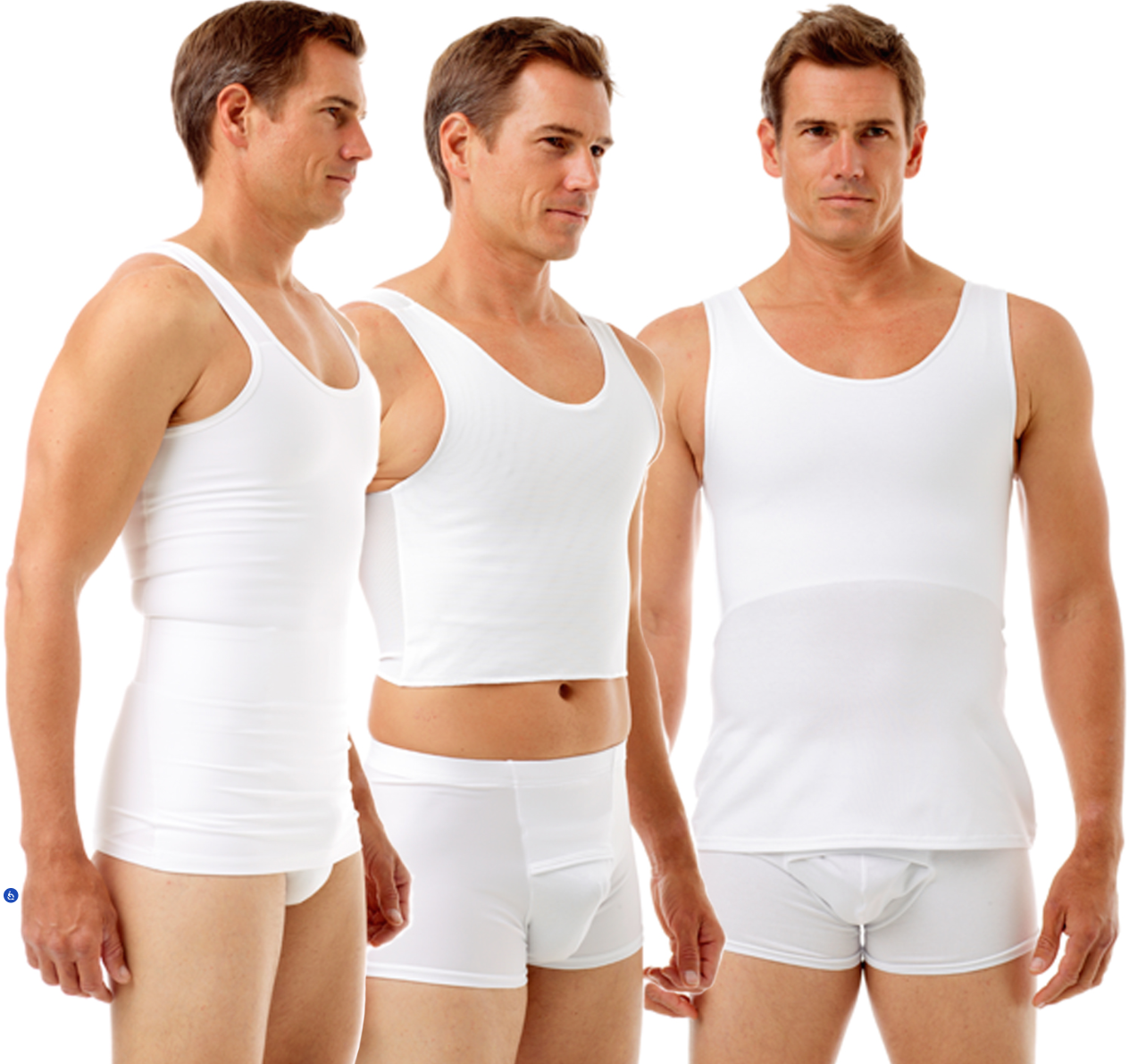
Comfort isn’t just a luxury—it’s something we rely on every single day. From the moment you get dressed in the morning to the time you unwind at night, the clothes you wear shape how you move, how you feel, and even how confident you are in your own skin. Yet, many people still settle for garments that pinch, restrict, or simply don’t perform the way they should.
This guide is designed to help you rethink comfort in a more intentional way. Whether you’re searching for better support, smoother silhouettes, or breathable everyday wear, understanding what truly makes clothing comfortable can completely change your daily experience.
Why Comfort Matters More Than You Think
It’s easy to underestimate the impact of clothing comfort. But when your outfit works with your body—not against it—you notice the difference immediately.
Comfortable clothing can:
- Reduce physical strain and irritation
- Improve posture and movement
- Boost confidence in both casual and professional settings
- Help regulate temperature throughout the day
On the flip side, uncomfortable garments can distract you, limit mobility, and even affect your mood. That’s why choosing the right foundational pieces is so important—they’re the base layer that everything else depends on.
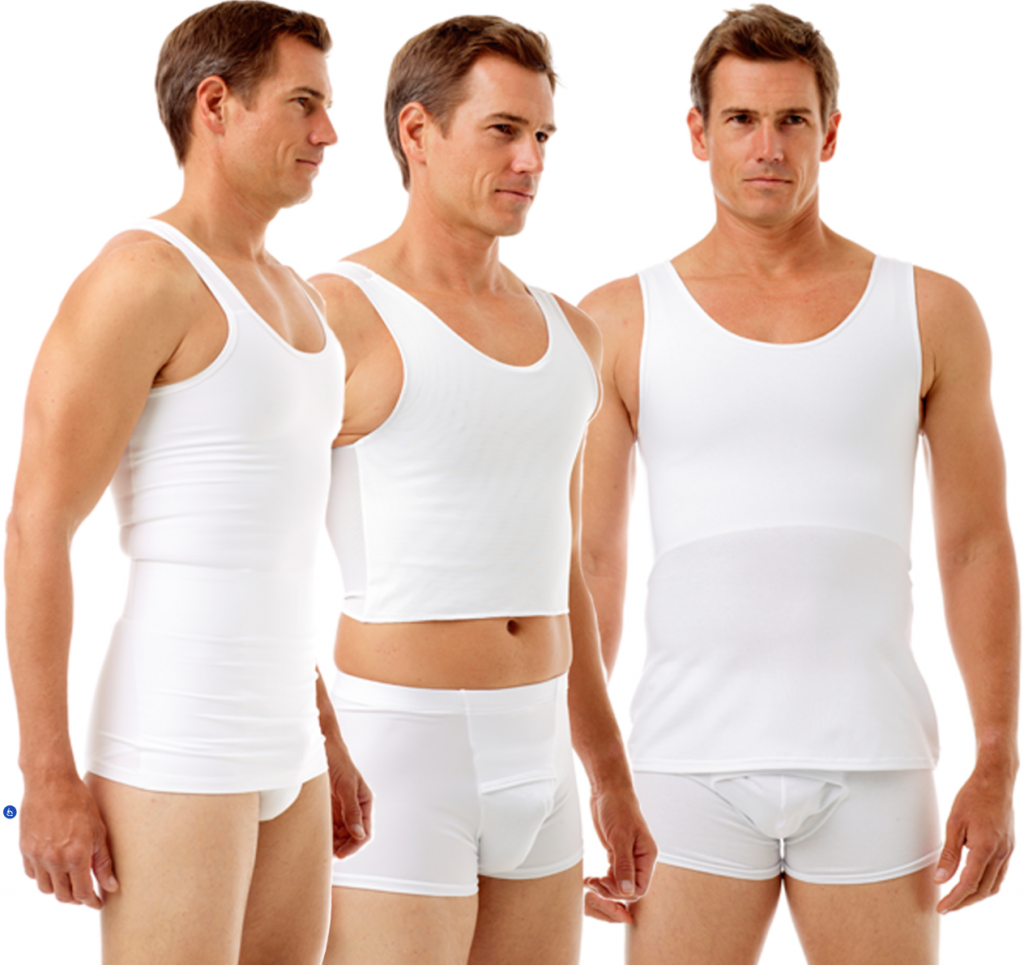
What Defines Truly Comfortable Clothing
Not all “comfortable” clothing is created equal. Marketing claims aside, real comfort comes down to a few essential factors.
Fabric Quality
Softness is only the beginning. The best materials are breathable, moisture-wicking, and durable. Cotton blends, performance fabrics, and well-engineered synthetics often strike the right balance between softness and structure.
Fit and Support
A good fit isn’t just about size—it’s about how the garment interacts with your body. Proper support can enhance posture, reduce fatigue, and create a smoother silhouette without feeling restrictive.
Seam Construction
Flat seams, tagless designs, and thoughtful stitching reduce friction against the skin. These small details make a big difference over long periods of wear.
Flexibility and Movement
Clothing should move with you, not against you. Stretch fabrics and ergonomic design allow for natural motion throughout your day.
Everyday Comfort Starts with the Right Foundation
Many people focus on outerwear—jackets, shirts, or dresses—but overlook the importance of what lies underneath. The truth is, your base layer plays the biggest role in how comfortable you feel.
Support garments, in particular, have evolved significantly over the years. Today’s designs prioritize both function and comfort, offering solutions for different needs without sacrificing wearability.
Whether you’re working long hours, running errands, or relaxing at home, the right foundational pieces can help you feel supported and at ease all day long.
Balancing Support and Breathability
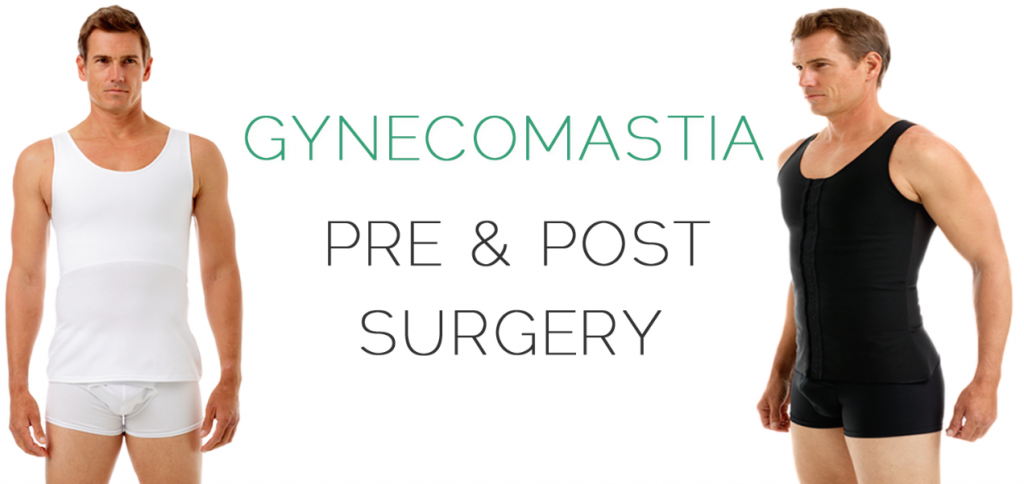
One of the biggest challenges in comfortable clothing is achieving the right balance between support and breathability. Too much compression can feel restrictive, while too little structure may not provide the support you need.
Modern designs aim to solve this by:
- Using targeted compression zones
- Incorporating breathable panels
- Blending flexible fabrics with supportive structures
This balance is especially important in garments designed for extended wear. When done right, you get the best of both worlds: a secure fit that still feels light and breathable.
Comfort for Different Lifestyles
No two people have the same daily routine, which means comfort needs can vary widely. Here’s how different lifestyles influence what “comfortable” really means:
Active Days
If you’re constantly on the move, you need clothing that can keep up. Lightweight materials, moisture control, and stretch are key.
Work Environments
Whether you’re sitting at a desk or standing for hours, support and posture-friendly design can make a noticeable difference.
Casual and Home Wear
Relaxation calls for softness and ease. Breathable fabrics and non-restrictive fits help you unwind comfortably.
Specialized Needs
Some individuals require specific types of support for medical, performance, or personal reasons. In these cases, well-designed garments can provide both functionality and confidence.
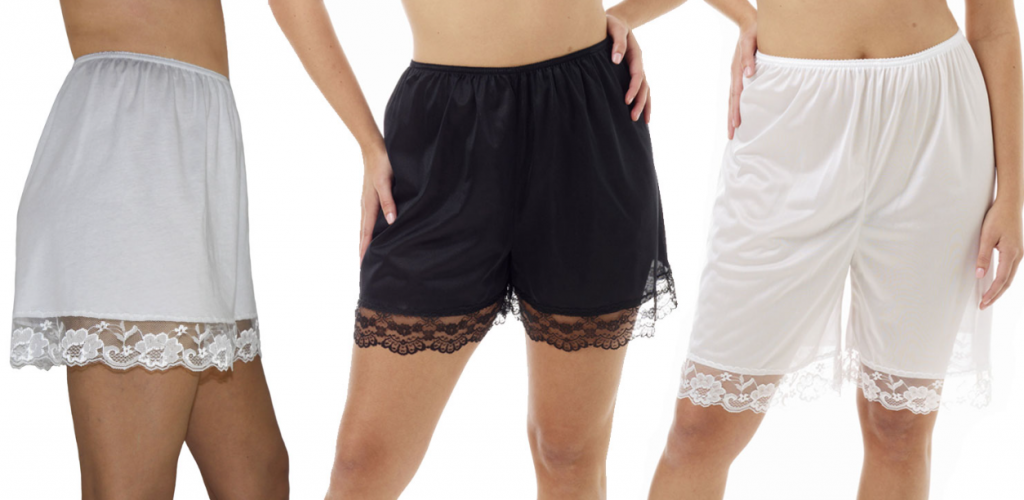
How the Right Fit Improves Confidence
Comfort isn’t just physical—it’s psychological too. When your clothing fits well and feels right, it changes how you carry yourself.
A smooth, well-supported silhouette can:
- Help clothes drape better
- Reduce the need for constant adjustments
- Make you feel more put-together
This isn’t about chasing perfection—it’s about finding pieces that work with your body, not against it.
Choosing the Right Pieces for You
With so many options available, it can be overwhelming to know where to start. Here are a few practical tips to guide your choices:
- Focus on your daily needs first, not trends
- Prioritize fit over size labels
- Look for breathable, skin-friendly materials
- Pay attention to construction details like seams and elasticity
- Choose versatile pieces that can be worn across different settings
Taking the time to choose wisely can save you from discomfort later—and help you build a wardrobe that truly supports your lifestyle.

Long-Term Comfort: Durability Matters
Comfort isn’t just about how a garment feels on day one. Over time, poor-quality clothing can lose its shape, elasticity, and softness.
Investing in well-made pieces means:
- Better long-term support
- Consistent fit after multiple washes
- Less need for frequent replacements
Durability is often overlooked, but it’s a key part of sustained comfort.
The Subtle Art of Layering for Comfort
Layering isn’t just about style—it’s also about comfort. By combining the right pieces, you can adapt to changing temperatures and activities throughout the day.
Start with a comfortable base layer, then add lightweight layers that can be easily adjusted. This approach allows you to stay comfortable in different environments without overcomplicating your wardrobe.
Small Details That Make a Big Difference
Sometimes, it’s the smallest features that have the biggest impact:
- Tagless labels to prevent irritation
- Wide waistbands for better support
- Smooth edges that don’t dig into the skin
- Breathable zones in high-heat areas
These details may seem minor, but they can transform how a garment feels during extended wear.
Listening to Your Body
Ultimately, the best guide to comfort is your own body. If something feels off—too tight, too loose, too warm—it’s worth paying attention.
Comfort is personal. What works for someone else might not work for you, and that’s perfectly okay. The goal is to find pieces that align with your needs, preferences, and daily routine.
Making Better Choices Moving Forward
As you rethink your approach to clothing, consider focusing less on appearance alone and more on how each piece makes you feel.
Ask yourself:
- Can I wear this all day without discomfort?
- Does it support my movement?
- Does it help me feel confident and at ease?
If the answer is yes, you’re on the right track.
Frequently Asked Questions
What is the most important factor in comfortable clothing?
The combination of fit and fabric is usually the most important. Even high-quality materials won’t feel comfortable if the fit is off.
How do I know if a garment provides enough support?
You should feel secure but not restricted. Good support enhances your natural shape without causing pressure or discomfort.
Are tighter clothes always less comfortable?
Not necessarily. Well-designed compression can actually improve comfort if it’s balanced with breathability and flexibility.
How often should I replace everyday wear items?
It depends on quality and usage, but if you notice loss of elasticity, shape, or comfort, it’s time to consider replacing them.
Can comfortable clothing still look stylish?
Absolutely. Modern designs focus on both comfort and aesthetics, so you don’t have to compromise one for the other.








Post Comment