The Ultimate Review: Are $350 Veja Sneakers Worth the Hype?

If your feed has been whisper-shouting “Veja” at you, you’re not alone. The minimalist V-logo, the clean panels, the sustainability angle—it all adds up to serious buzz. But at $350 a pair (depending on model/material), even hype needs receipts. This review cuts through the noise with a grounded, no-nonsense analysis of design, comfort, longevity, styling range, and value—so you can decide with confidence.
What You Need to Know Upfront
Here’s the one-minute compass before we go deep.
The short answer: Veja looks premium, wears like a firm lifestyle sneaker, and banks hard on ethics-driven materials and quiet style. If you prize sustainability cred and pared-back aesthetics, the price can be justified. If you want plush step-in comfort or gym-ready performance, the hype won’t convert you.
Who They’re For
- Style-first dressers who live in neutral palettes and want a shoe that pairs with nearly everything.
- Values-driven shoppers who care about materials sourcing and brand transparency.
- Light daily wearers (commutes, office, coffee runs, city walks) who prefer a firm, grounded ride over marshmallow softness.
Who Should Skip
- Cushion-seekers who love bouncy midsoles and pillowy insoles.
- Wide-footed buyers who need generous toe-box room (some models run snug).
- Anyone intending to run or train—the structure is lifestyle-first, not performance-engineered.
Brand & Hype Mechanics Explained
Veja built its reputation by aligning a minimalist European design language with sustainability talking points and visible quality cues: clean panels, subtle branding, and an instantly recognizable silhouette without screaming status.
The Appeal of “Quiet Good Taste”
They read as refined without being precious. That makes them office-safe with chinos, weekend-ready with denim, and dress-down-formal with a blazer. It’s the “if you know, you know” aesthetic that photographs well but doesn’t try too hard.
Price Anchors & Perceived Value
At $350, you’re paying for design, material choices, finish quality, and brand story. Compared with mass-market classics (~$80–$120), the leap is big; versus boutique minimal sneakers ($400–$500+), Veja can feel like a “value luxury” alternative—if the comfort and longevity match your expectations.
Design & Materials Deep-Dive
Under the hood, Veja uses a mix of leather, vegan alternatives (often called CWL or similar), mesh, and canvas, with rubber-heavy outsoles and firm midsoles. The look is structured—crisp overlays, tidy stitching, and a profile that stays tidy as it ages.
Uppers: Leather vs. Vegan/CWL vs. Mesh
Different uppers change the look, break-in, and maintenance.
Leather
Smooth leather versions feel more refined, crease naturally, and can develop a subtle patina. They’re easiest to dress up and resist spot stains well with basic care. Downside: initial stiffness that relaxes after several wears.
Vegan/CWL
These tend to have a matte, slightly stiffer hand-feel out of the box and can resist light rain and scuffs reasonably well. They hold structure but can take longer to soften. If you avoid animal products, this is the obvious lane.
Mesh/Canvas
Great for breathability and casual fits. They’re lighter on foot, cooler in warm months, and read more sporty. The trade-off is stain risk and less formal versatility.
Midsole & Outsole
Expect a notably firm midsole that favors ground feel over bounce. Outsoles feature substantial rubber content and classic cupsole traction. If you’re coming from running-shoe foams, the first impression will be “stiff,” not “squishy.”
Build & Craft
Panel alignment, even stitching, and consistent edge painting are where Veja justifies much of the premium. Tolerances are tighter than budget classics, and leather cuts (on leather models) look cleaner. Minor variances can happen across models, but overall finishing is a strong point.
Fit, Sizing & Break-In
Fit is model-dependent, but there’s a pattern: structured uppers + firm soles equals a break-in curve. Plan on a few city days before peak comfort.
Sizing Guidance
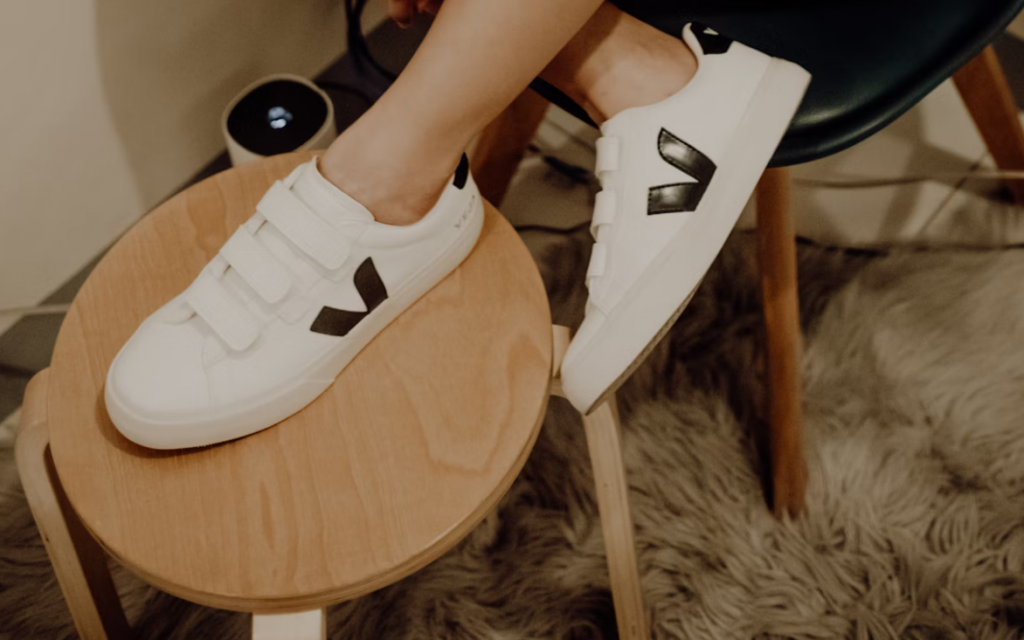
Most buyers will do well true-to-size in length, with width running medium-narrow on several models. If you’re between sizes or have wider feet, consider going up half a size or choosing a roomier model (see Model Guide).
Narrow vs. Wide Feet
Narrow feet: start true-to-size and use standard lacing. Wide feet: try a half-size up, swap to thinner socks, or use alternative lacing (skip the top eyelet to reduce instep pressure). Removable insoles allow for aftermarket options if you need a bit more plushness.
Comfort Profile
Think stable and support-neutral rather than soft. Arch support is moderate; heel collars are structured (some initial rubbing possible with low socks). Once broken in, the ride turns comfortably firm for everyday errands and commutes.
Weight & Breathability
Leather/CWL pairs feel substantive—reassuring but not heavy. Mesh/canvas trims swing lighter and breathe noticeably better in summer. If you live in hot, humid climates, consider those ventilated uppers or rotate pairs.
Durability & Maintenance
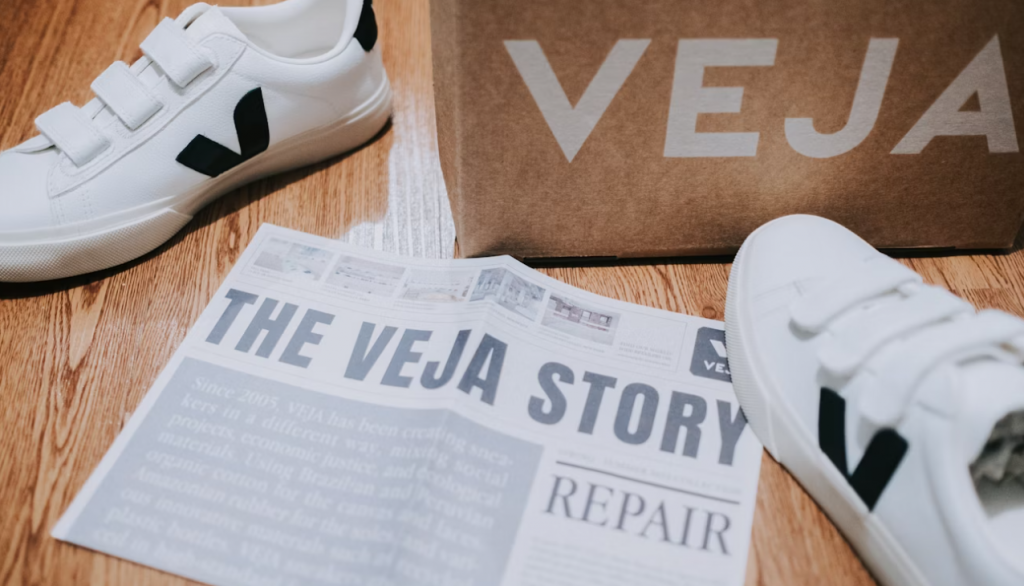
These shoes hold shape well thanks to structured panels and firm soles. Leather/CWL uppers shrug off light scuffs; mesh/canvas need quicker attention. Outsoles wear at an average pace for lifestyle cupsoles—expect heel wear first.
Leather/Vegan Care
- Wipe down weekly with a damp cloth.
- Use a gentle leather cream (leather models) monthly to keep the surface supple.
- Apply a clear protectant to cut water stains and make future cleaning easier.
- For CWL/vegan, stick to non-oil conditioners—light foam cleaners work best.
Mesh/Canvas Care
- Spot-clean quickly with mild soap and a soft brush.
- Stuff with paper towels to dry; avoid heat sources.
- Consider a fabric protector spray to reduce staining from city grime.
Sustainability Claims—What’s Real
Veja’s story resonates because it foregrounds materials selection and supply-chain considerations. That’s refreshing—but remember: no sneaker is impact-free. Evaluate the claim set holistically.
Materials Sourcing
Leather lines often emphasize responsible tanning; vegan lines avoid animal inputs; mesh/canvas may incorporate recycled fibers. The mix is better than average for the category.
Supply Chain Transparency
Look for publishable reports, third-party audits, and factory partnerships that last longer than a season. Transparency doesn’t guarantee perfection, but it invites scrutiny—a good sign.
Certification Caveats
Labels are helpful shortcuts, not absolutes. A certified material can still sit inside a less-efficient process. Balance the badge with the brand’s overall track record.
Style Versatility
This is where Veja shines. The silhouettes are chameleon-like across wardrobes and ages.
Casual Fits
Denim, tees, hoodies—easy. Shorts and crew socks in summer—clean. Athleisure—works as a polished anchor.
Smart-Casual
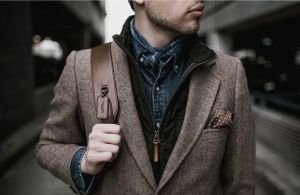
Pair with chinos, a crisp OCBD, or a soft-shouldered blazer for a high-low mix. Dresses and skirts gain modern edge without losing polish. Neutral colorways (white/cream/black) maximize range.
Performance vs. Lifestyle
Could you log a 10k walk in them? Many do. Should you run or cross-train? Not ideal. Think all-day museum trips, office-to-dinner transitions, and weekend errands—more “city sneaker” than “trainer.”
Price Analysis & Value
Let’s break the $350 question into digestible blocks.
MSRP vs. Real-World Prices
Core colorways tend to hold their price; seasonal color pops may see light discounting. Bundles or limited promotions exist, but don’t count on deep cuts.
Cost-per-Wear Scenarios
Cost-per-wear (CPW) is the cleanest way to sanity-check value.
- Conservative scenario: 150 wears over 18–24 months → $350 ÷ 150 ≈ $2.33 per wear.
- Heavy rotation: 250 wears over two years → $350 ÷ 250 = $1.40 per wear.
- Weekend-only: 80 wears over two years → $350 ÷ 80 = $4.38 per wear.
If the aesthetic factors into more outfits (and replaces multiple cheaper pairs), the math can still land in your favor.
Resale Value
Neutral colorways, clean uppers, and popular models resell better. Keep boxes and accessories if you’re value-minded; pristine pairs move faster on peer marketplaces.
Competitor Comparison
What does the market look like around this price?
Common Projects Achilles
North of $400 in many cases, with buttery leather and pared-back luxury. Comfort is similarly firm; finishing is a step up. If your budget stretches and you want the glossiest take on minimal sneakers, CP is the benchmark—at a steeper tariff.
Adidas Stan Smith / Reebok Club C / Nike Killshot
Sub-$120 classics: instantly wearable, broadly comfortable, and easy to replace. You give up some finishing detail and the sustainability narrative, but save big.
Sustainable Peers (Cariuma, Allbirds, etc.)
Often softer underfoot with knit or canvas uppers, tuned more to comfort than structure. If plushness and featherweight feel are your priorities, these can edge out Veja on foot—though they may read less “tailored” with smart-casual fits.
Model Guide
Not all Vejas feel the same. Picking the right model is half the battle.
V-10 / V-12
Panel-heavy, structured look with a firmer ride. Great for those who love a vintage-court silhouette and a substantial feel. Break-in is real but rewarding.
Campo
Smoother, cleaner upper with fewer overlays, often perceived as easier to break in. A top pick if your wardrobe leans minimalist and you want a sleeker profile.
Esplar
Lower, slimmer, and lighter-duty. Works best for narrower feet and lighter daily wear. Not the choice for wide feet or marathon shoppers.
Vegan/CWL Lines
Choose these if avoiding animal products is key. Expect a slightly stiffer start; the look stays crisp. Cleaning is straightforward with foam cleaners and soft cloths.
Sizing & Buying Checklist
Before you click “buy,” run this quick audit:
1) Decide your material priority (leather patina vs. vegan ethos vs. mesh breathability).
2) Choose a model aligned to your foot width (Campo for easier break-in; V-10/V-12 for structure).
3) If between sizes or wider-footed, consider half-size up.
4) Buy neutral colorways if you care about resale or maximum outfit range.
5) Budget time for break-in and consider aftermarket insoles if you want extra plushness.
Pros & Cons
Pros: premium finishing, versatile design, credible materials story, holds shape, pairs with smart-casual fits, potential resale on neutral colorways.
Cons: firm underfoot (not for cushion lovers), can run narrow in some models, real break-in, price premium over heritage classics, mesh/canvas stain more easily.
Conclusion & Verdict
So, are $350 Veja sneakers worth it? If you’re after a refined, sustainability-minded lifestyle sneaker with a firm ride and minimal, photograph-well aesthetics, then yes—the premium makes sense. You’re paying for fit-and-finish, materials intent, and a silhouette that amplifies a modern, clean wardrobe.
If you prize pillowy comfort, wide-foot room, or gym versatility, the hype won’t translate once they’re on your feet. In that case, look to softer sustainable peers for comfort or to classics for cost savings, and save Veja for dressier, lighter-duty days.
Bottom line: Worth it for style-and-ethics shoppers who accept a firmer feel; pass if you want plush performance.





Post Comment